Discover the power of vacuum
Vacuum sewer system
650+ projects
worldwide
Introduction
A vacuum sewer system is a hygienic and highly efficient system for environmentally friendly sewerage collection. Qua-vac developed Vacuflow®, a unique vacuum sewer system. It operates largely without electricity and offers a long lifespan with low maintenance costs. Vacuflow® can be applied in a variety of settings, but it is especially valuable in areas where major and costly construction work needs to be avoided.
What is a vacuum sewer system?
A vacuum sewer system is a hygienic and highly efficient system for environmentally friendly sewerage collection. Compared to conventional sewerage systems, the construction and installation of a vacuum sewer system is considerably simpler and more reasonably priced. The system operates within an enclosed and leak-proof vacuum network, so sewage cannot flow out and pollute surrounding areas.
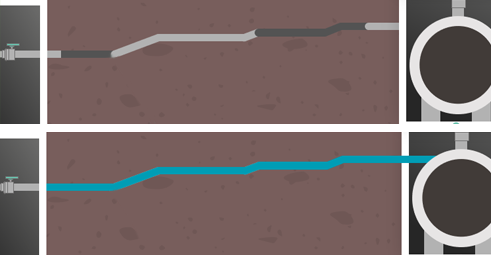
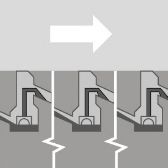
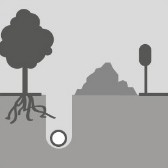
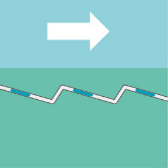
The vacuum sewer system can be installed just below frost level, allowing shallow and narrow trenching and thereby minimizing construction time and environmental disturbance. The flexibility in the pipework installation makes it possible to overcome unforeseen obstacles by passing over, under, or around the obstacle, ensuring minimal delays and eliminating unnecessary expenses. The installation of a vacuum sewer system incurs significantly reduced labor and material costs compared to gravity sewers, primarily due to decreased labor and trenching expenses associated with the use of smaller diameter vacuum mains.

How does a vacuum sewer system work?
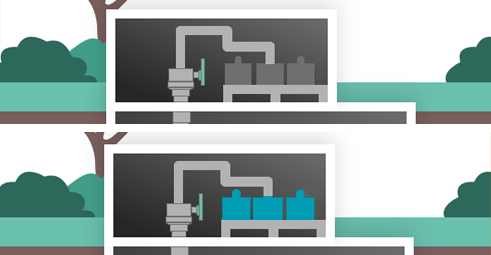
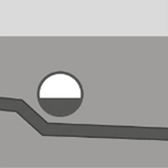
Compared to conventional sewerage systems that make use of gravity, a vacuum sewer system uses a vacuum to transport wastewater. Sewage flows from a building by gravity into a so called wastewater collection chamber with interface unit. After a certain level is reached, a vacuum valve opens and transports the sewage in combination with air into the vacuum network towards a centrally located vacuum station. Here all the sewage is being collected to eventually been pumped to a nearby discharge point or treatment plant. This technology makes the vacuum sewer system an improved and more cost-effective alternative than conventional sewerage systems.
A vacuum sewer system consists of:
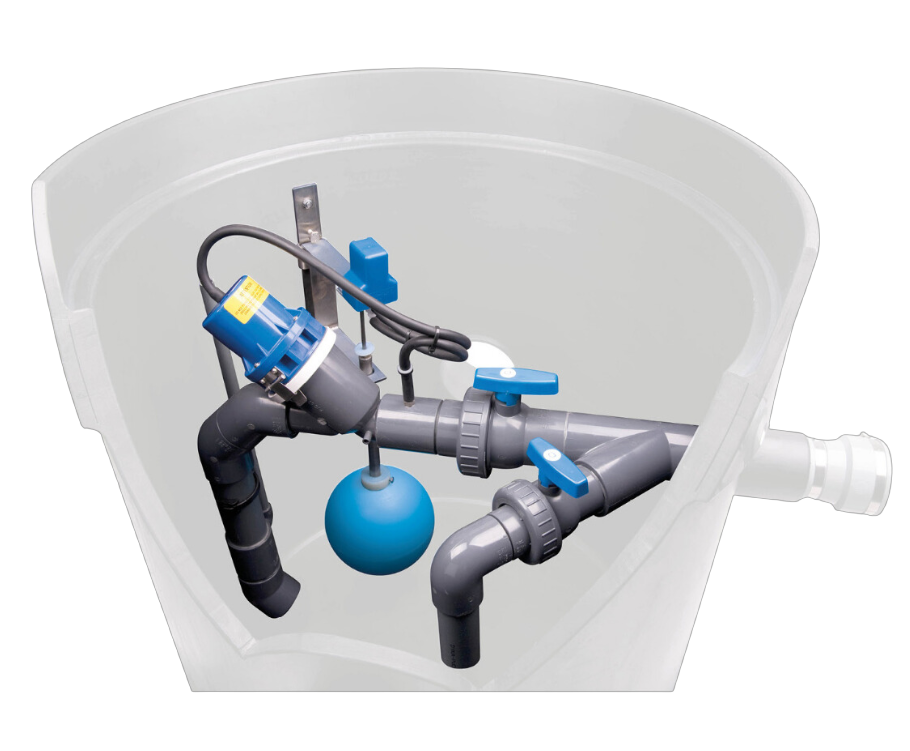
- A collection chamber with interface unit where the sewage is collected
- Vacuum pipe network through which sewage and air is being transported
- A vacuum station where all the sewage is collected with vacuum pumps
- Vacuum tank
- Discharge pumps
- Control panel
- Odour filter
After the sewage is collected in the station, the sewage will be transported to a nearby discharge point or sewage treatment plant. Gravity flows the sewage into a collection chamber, where it will be stored for a short time. When the level of sewage inside the collection chamber rises, a starter valve activates the vacuum piston valve, which drains the sewage into the vacuum network. Multiple properties can be connected to one collection chamber. Applications of the vacuum sewer system include: recreational areas, summerhouses, marinas, house boat projects, new residential developments, villages, industrial/governmental projects, canal estates, islands and renovation projects.

Step-by-step guide: different aspects of the Vacuflow® system

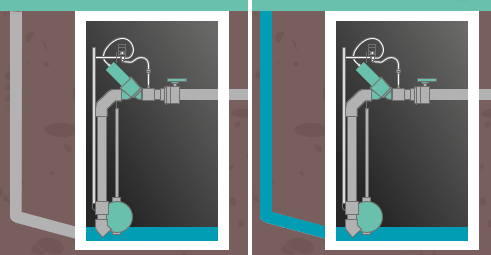
1. Sewage flows into a collection chamber
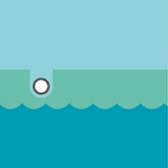
One of the characteristic features of the Vacuflow system is the presence of the collection chamber. The collection chamber acts as an extra security measure in the system. The chamber has a large reserve storage capacity.

2. The starter valve opens the vacuum piston valve
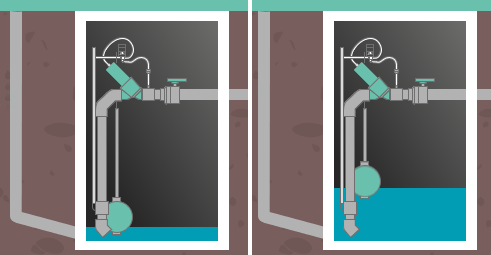
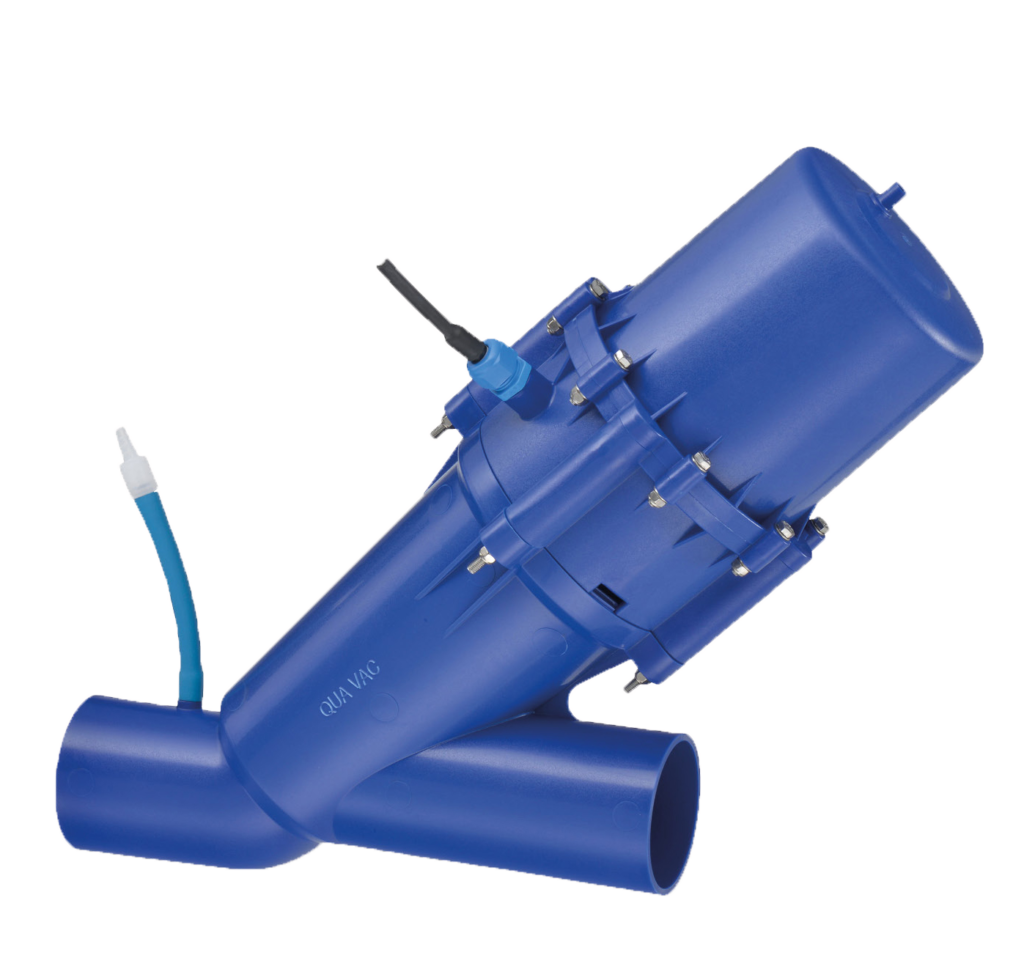
When the level of sewage inside the collection chamber rises to a preset start level, the starter valve on top of the float activator will activate the vacuum valve to open so that air and sewage will be transported into the vacuum network.
Once a preset stop level is reached, the vacuum valve will close again waiting for the next cycle for emptying the chamber.

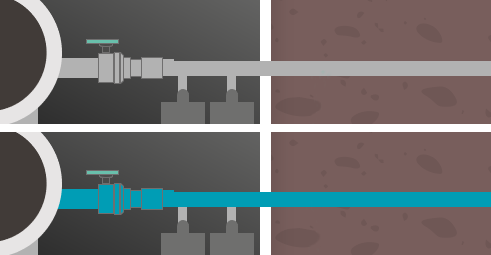
3. The collected wastewater is transported simultaneously with air
The wastewater is transported out of the collection chamber, into the vacuum piping network and transported to the vacuum station.

4. Vacuum pumps in the vacuum station are activated
The vacuum pumps activate once a preset vacuum level is reached in order to maintain the right level of vacuum in the vacuum system.

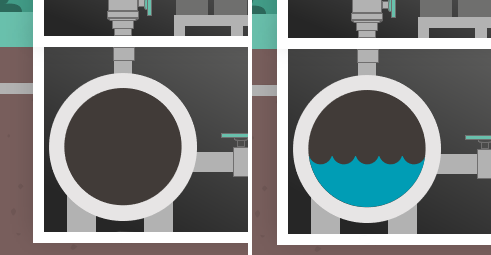
5. The vacuum collection tank is filled with wastewater
The wastewater is transported through the vacuum piping into the vacuum collection tank.

6. Discharge pumps empty the collection tank
The sewage discharge pump transfers the wastewater from the vacuum collection tank to a wastewater treatment plant where the water is treated.
Projects
Sustainable project
overview
The advantages of the Qua-vac Vacuflow® system
Traditional vs Vacuflow®
Traditional
Vacuflow®
Discover the advantages of a vacuum sewer system in comparison to a gravity system on the Vacuflow product page.

Our solution: Vacuflow®
With our profound expertise in the field of vacuum technology, we are dedicated to the environmentally-friendly conveyance and collection of wastewater by means of innovative vacuum sewage systems, revolutionizing the realm of sanitation. The Vacuflow®
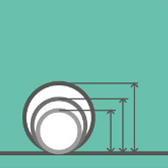
system is the best alternative solution for conventional sewerage systems. It has low investment costs and big construction work can be avoided. Our Vacuflow® system only requires energy supply at the vacuum station, which results in low energy consumption. Because of its flexibility, small diameters and shallow trenches, the Vacuflow® system is easy to use for diverse applications such as flat areas with high groundwater tables, seaside areas, environmentally sensitive areas, rocky areas, islands, artificial islands and areas where there is not much space for installation of a sewerage system.
With Vacuflow®, it is possible to monitor the vacuum station and collection chambers from a distance. With Vaculink®, the vacuum sewer system can be monitored. All real-time information from the vacuum station and collection chambers is accessible via computer, tablet, or smartphone. This way you can stay updated wherever you are.
Frequently Asked Questions about a vacuum sewer system
A vacuum sewer system offers an environmentally-friendly and highly efficient solution for sewerage collection. The construction and installation of a vacuum sewer system are considerably simpler and more cost-effective compared to traditional systems. The system operates through a secure and airtight vacuum network.
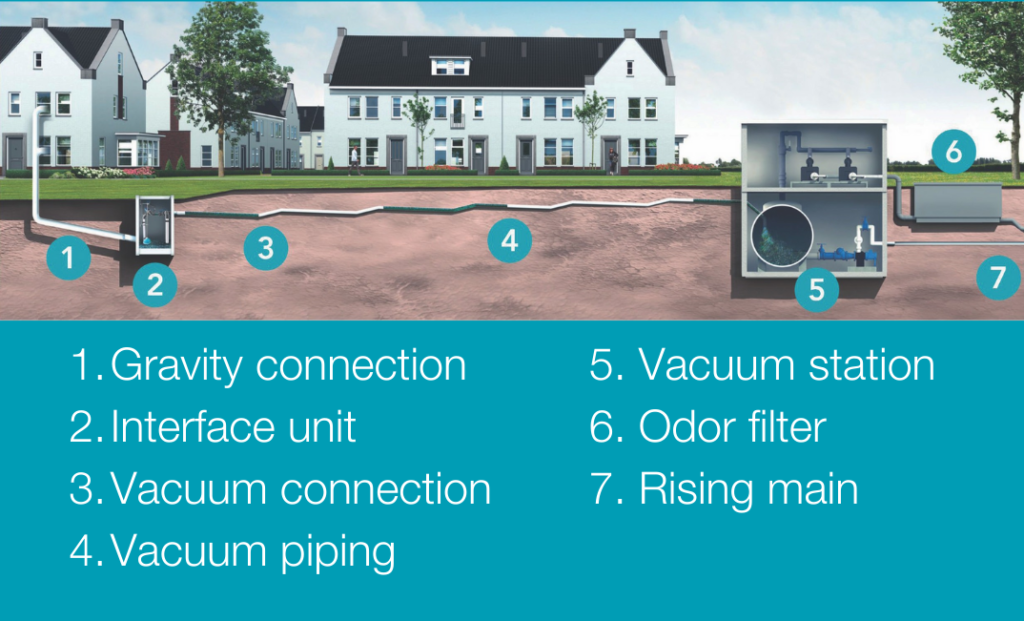
The main components of a vacuum sewerage system are the gravity connection from the property, collection chamber with interface unit, vacuum connection, vacuum piping, vacuum station, odor filter and a rising main sewer.
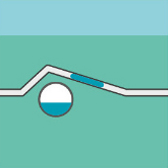
A vacuum sewer system is the best sustainable alternative to a traditional sewer system. No sewage can escape and pollute surrounding areas, and therefore it also benefits the environment. It’s a more economical alternative to conventional sewerage systems and it’s a perfect solution for a wide range of applications. Due to the vacuum pressure, the wastewater can be transported over a long distance, in every angle, up to 2.500 meters.
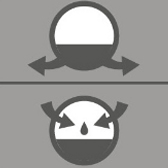
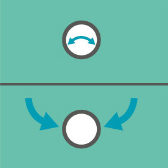
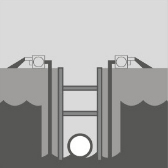
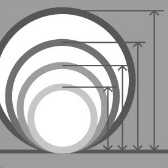
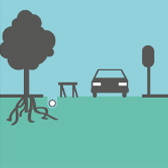
One of the biggest differences between a gravity sewer system and a vacuum sewer system are the mains. Where a gravity sewer system is being built with big, concrete pipes, a vacuum sewer system is built with small HDPE pipes. As the description already tells; a gravity systems works through gravity. The gravity system requires big excavation, which has a lot of impact on the environment. In addition, it’s an expensive project. One of the big benefits of a vacuum sewer system is that the pipes are not only small, but also very flexible. They can be placed in small and narrow trenches, and unlike the gravity system, the pipes can also be placed vertically. So when running onto an obstacle, for instance the roots of a tree, no extra excavation is needed.
Ideal locations for vacuum sewerage systems are flat areas with high groundwater tables, seaside areas, environmentally sensitive areas, rocky areas, islands, artificial islands and areas where the space for the installation of a sewerage system is limited. Application types include summerhouses, marinas, houseboat projects, new residential developments, villages and renovation projects.
The advantages of a vacuum sewer system are: it’s environmentally-friendly, easy to install and maintain, flexible, has no dewatering, no pollution, no road obstructions and low investment costs.
Yes, no problem! Just send us an email: vacuflow@quavac.com.
News